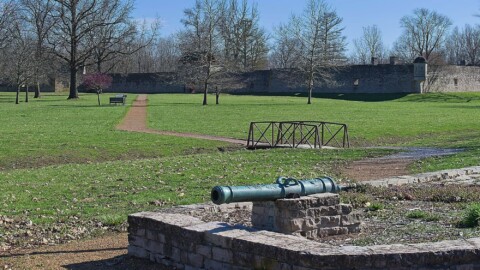
Photo by Ann Yeoman
Following up the Compton Heights flood of December Photo Flood headed west across Grand Boulevard to visit the Shaw neighborhood. The first flood there was back on September 9th, 2018. For this trip we met at the Fiddlehead Fern Cafe. The weather was not great that morning but by the time the flood started the rain had stopped. Even though it was cold the skies slowly began to clear and the sun started to come out.
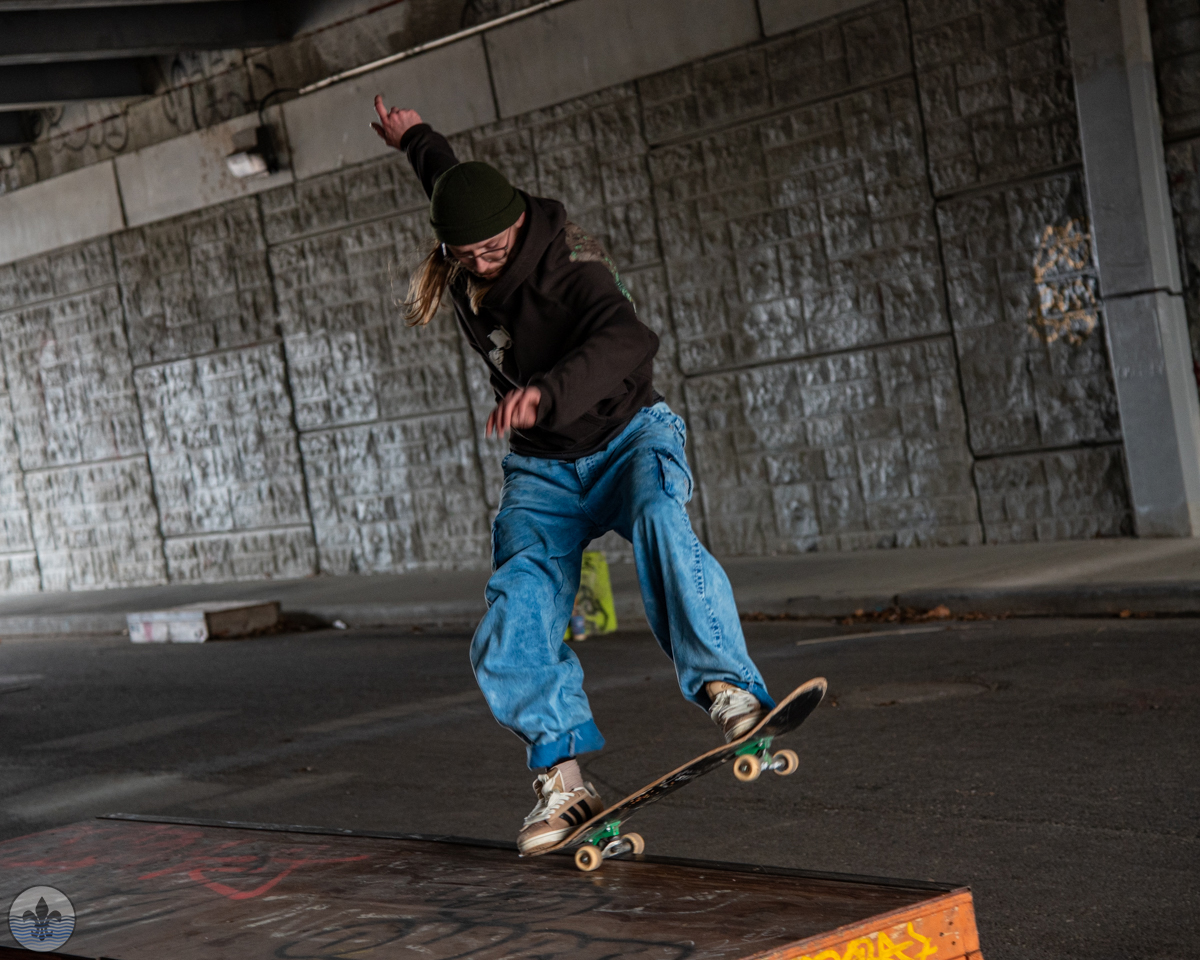 Photo by Theresa Harter
The neighborhood is a historic and vibrant residential area full of beautiful architecture. It is named after Henry Shaw, the founder of the Missouri Botanical Gardens which is located just outside the boundaries on the western side of the neighborhood. The southern boundary of the neighborhood is Tower Grove Park.
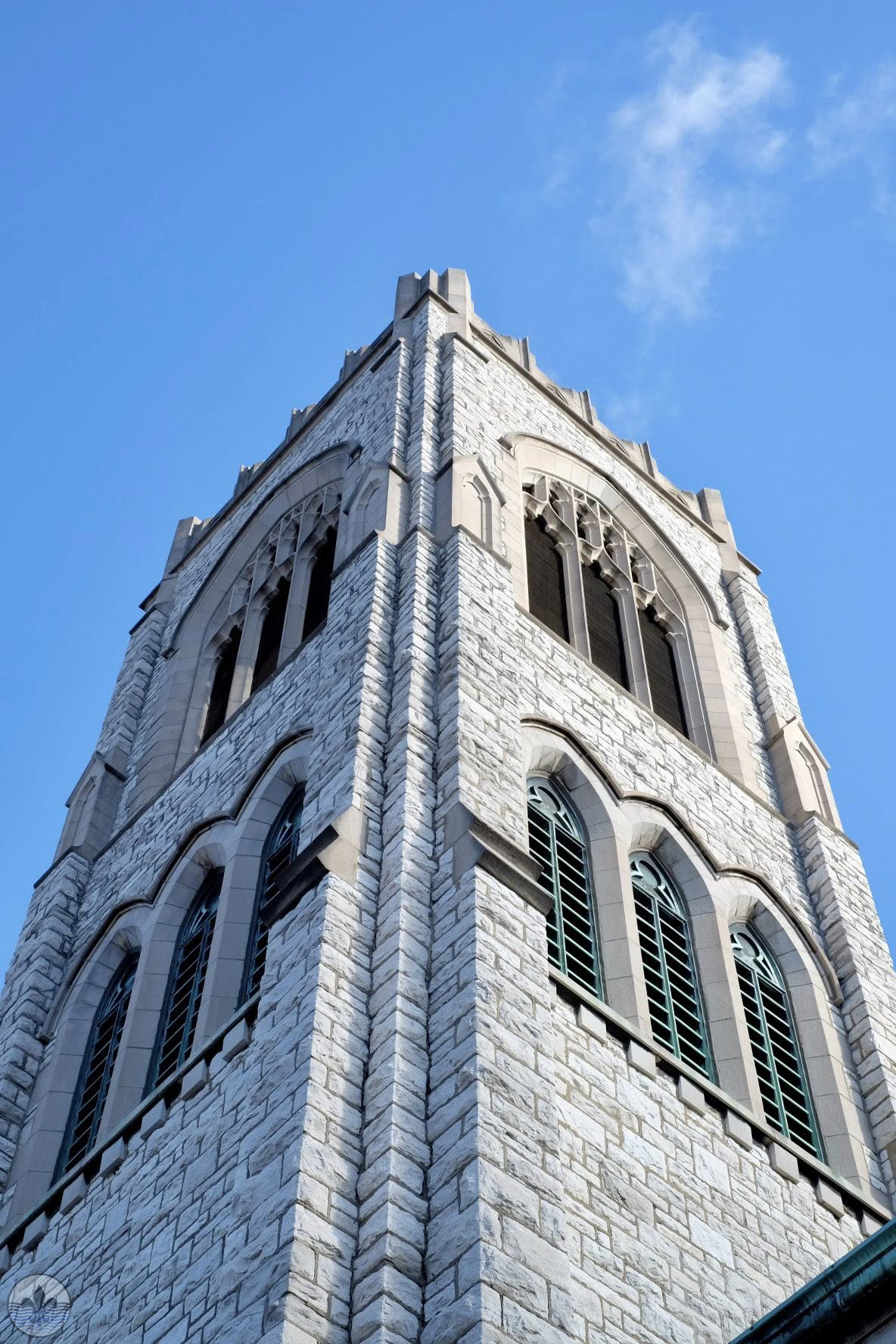 Photo by James Palmour
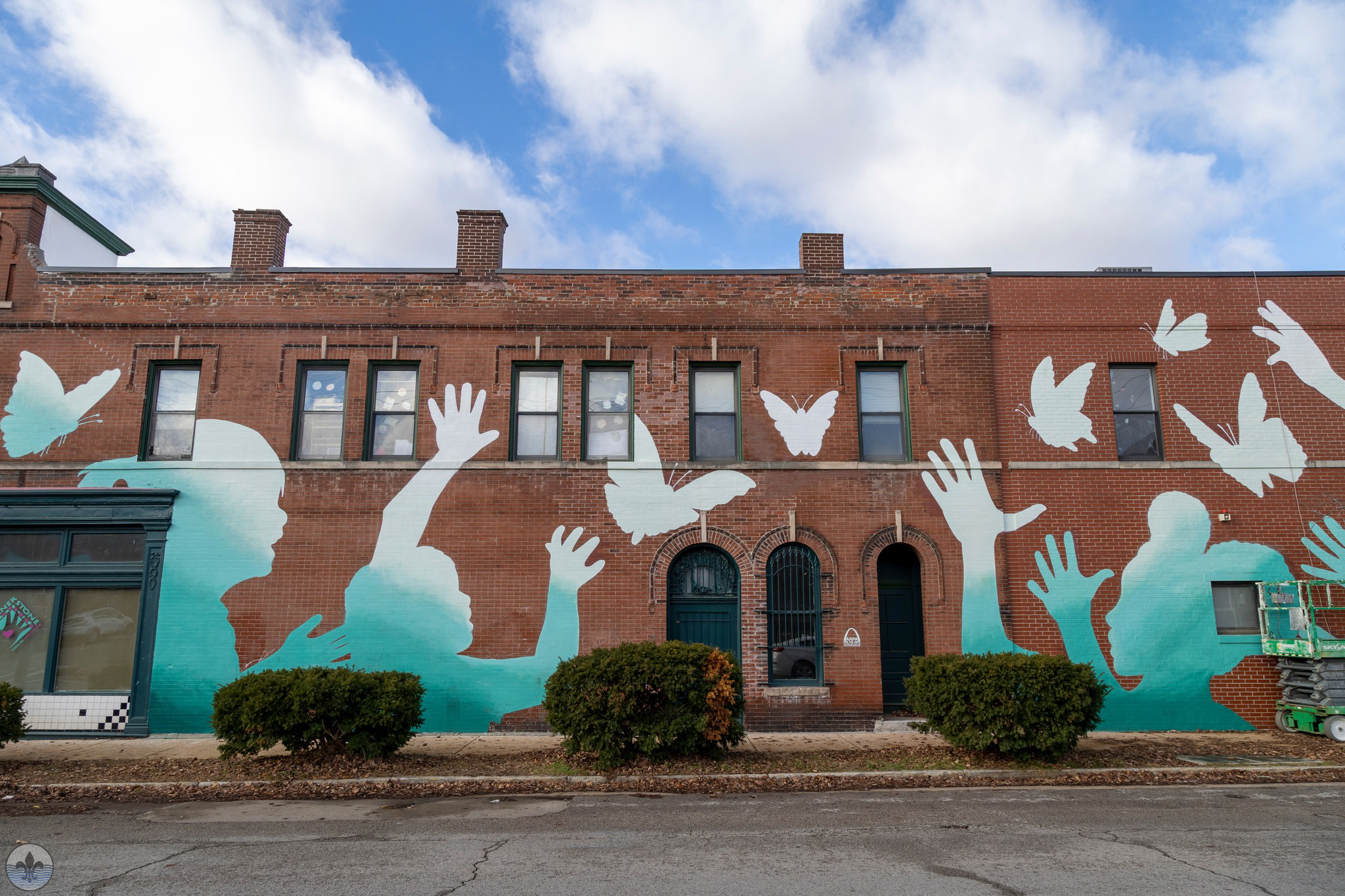 Photo by Mike Matney
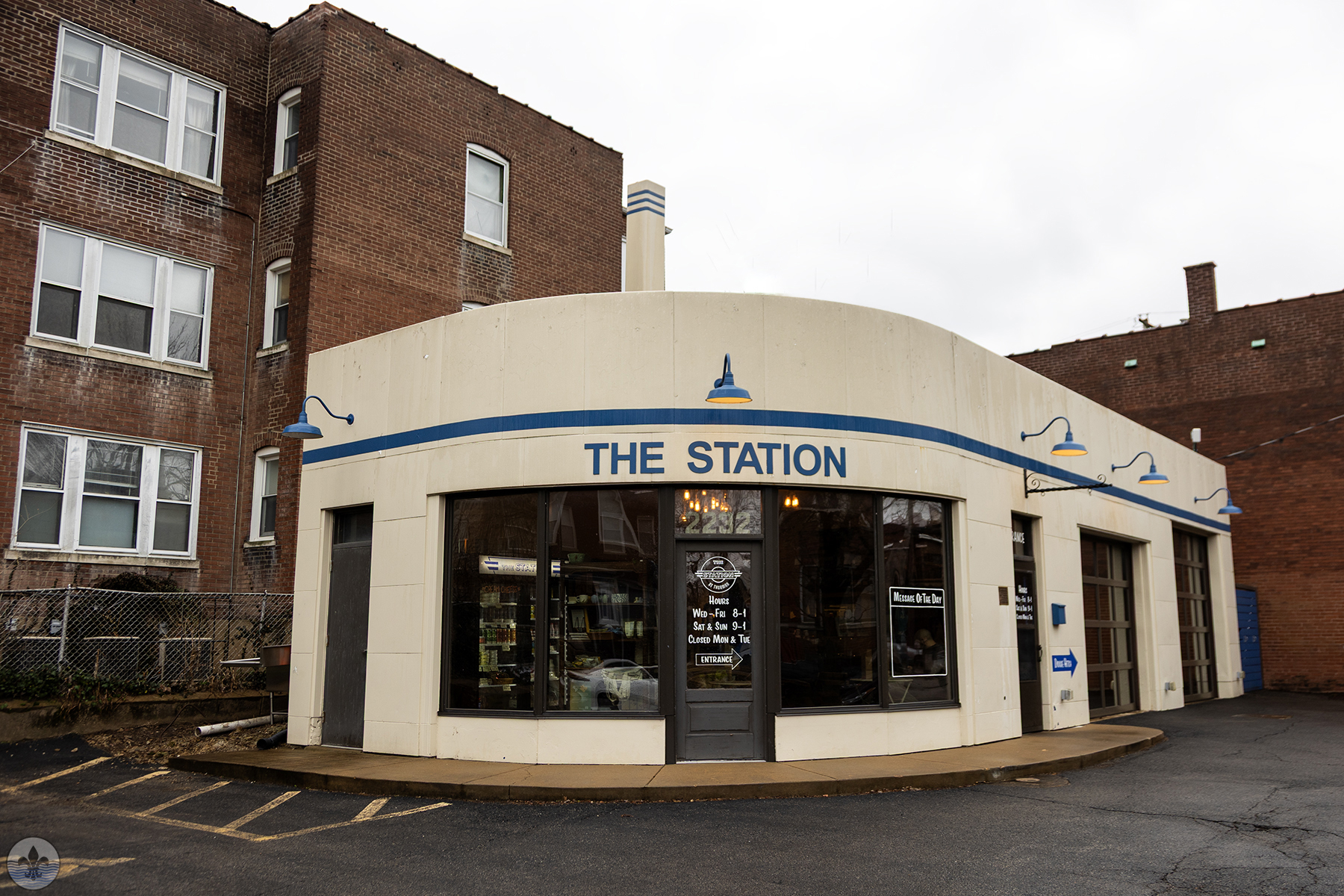 Photo by Caren Libby
The history of the Shaw neighborhood is of French colonial roots, Victorian-era philanthropy, and a modern “renovation renaissance.” Originally part of a common field known as Prairie des Noyers (Meadow of the Walnut Trees) established in 1769, the land transitioned from open prairie to a sophisticated urban enclave. The area’s transformation was driven by major landowners who sought to create a “bon ton” (fashionable) neighborhood shielded from the industrial nuisances of 19th-century St. Louis.
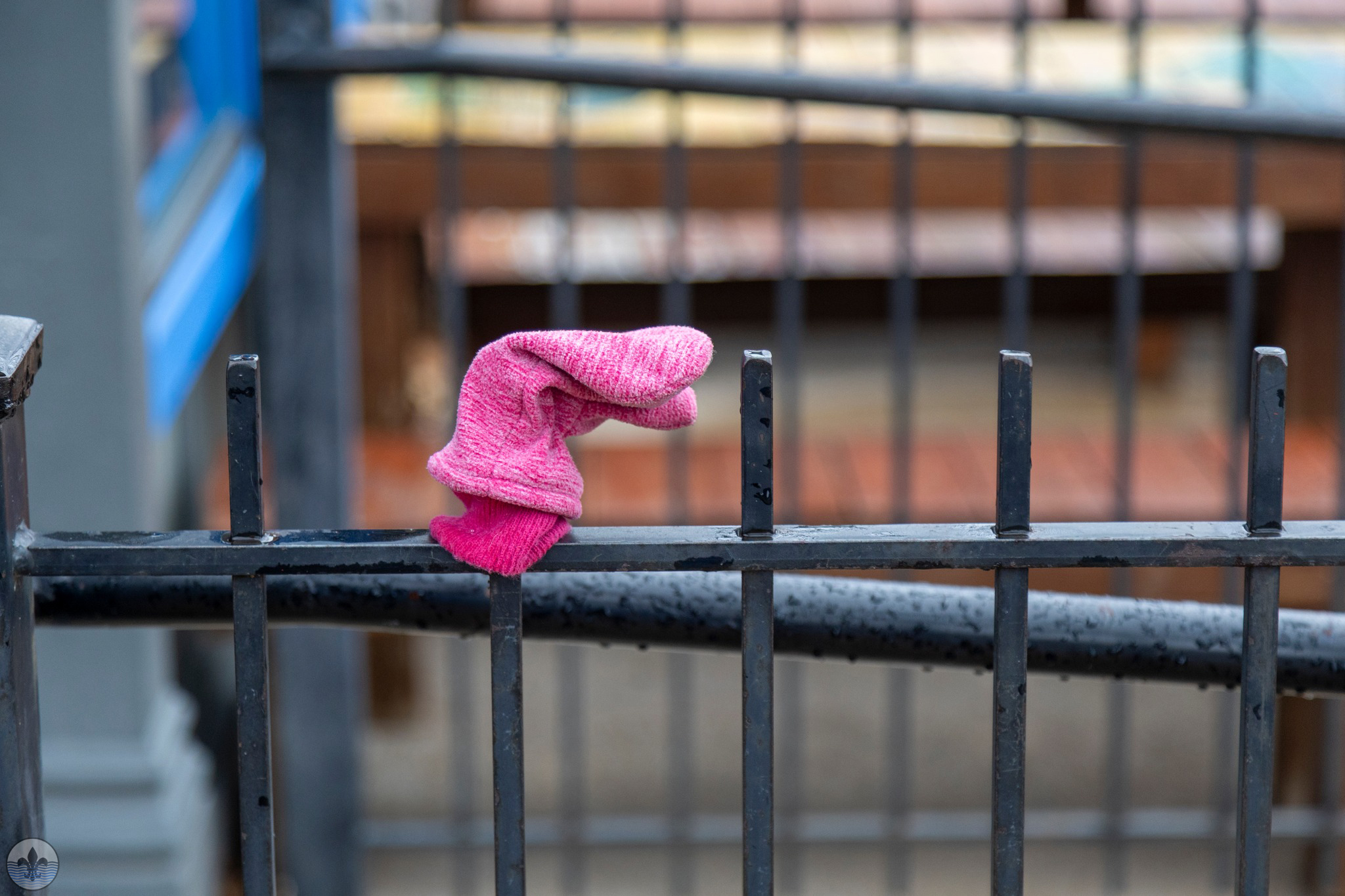 Photo by Mike Matney
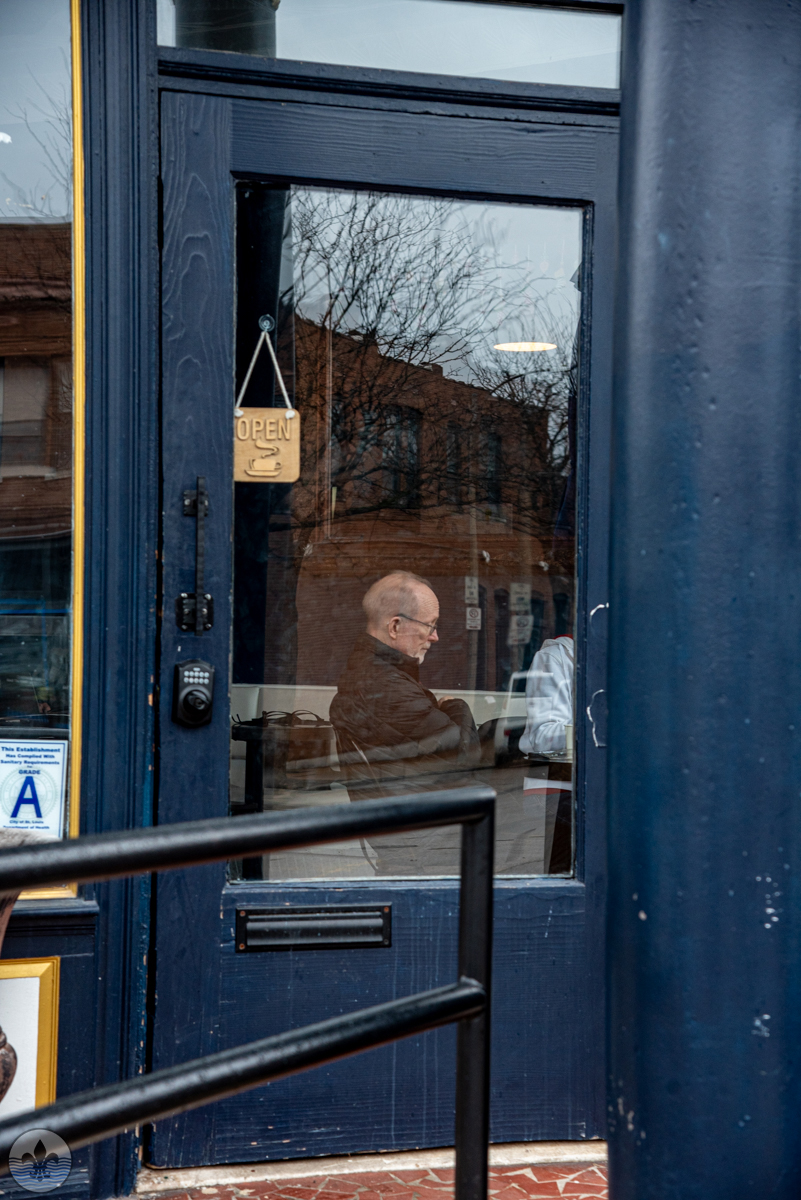 Photo by Theresa Harter
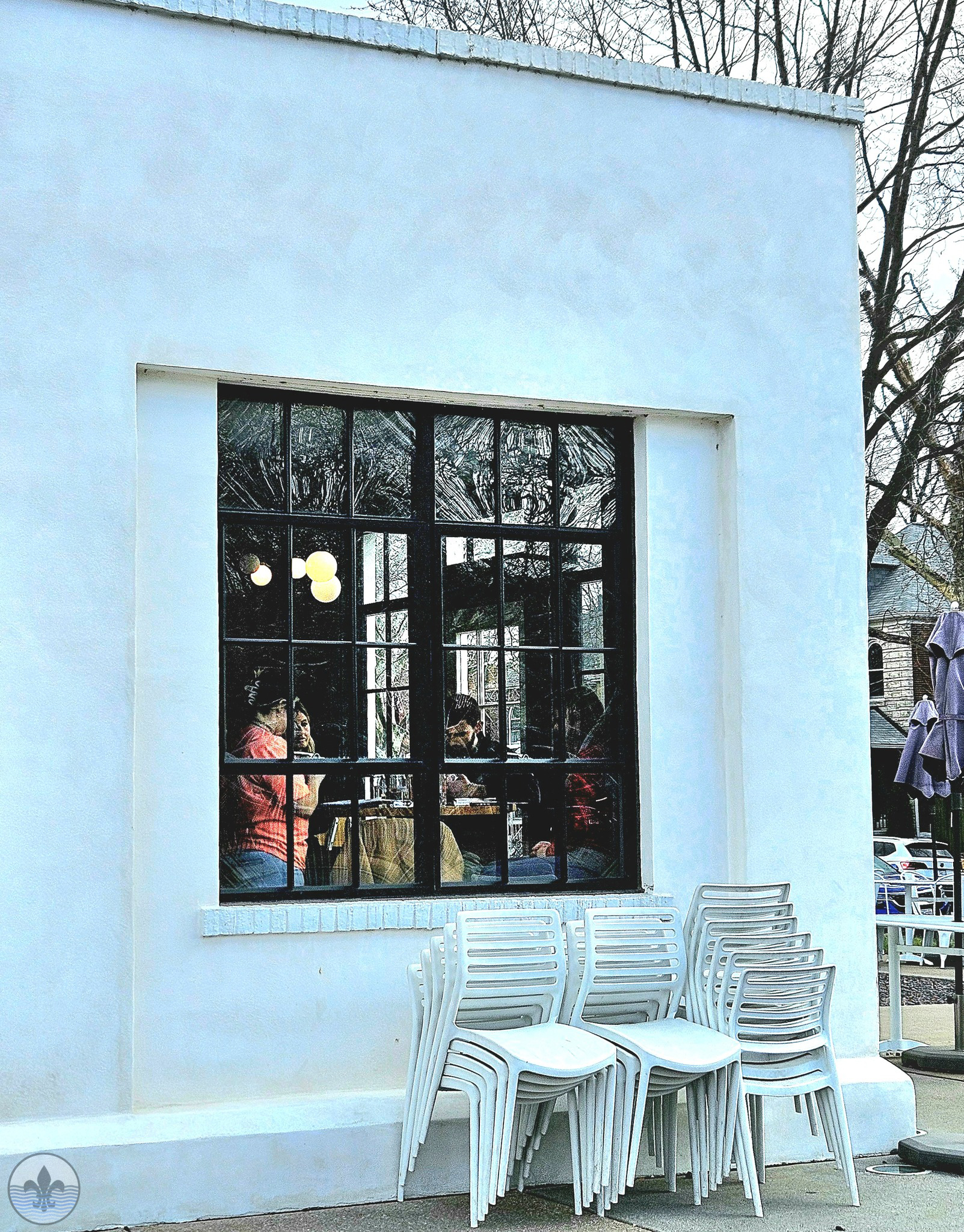 Photo by Ann Yeoman
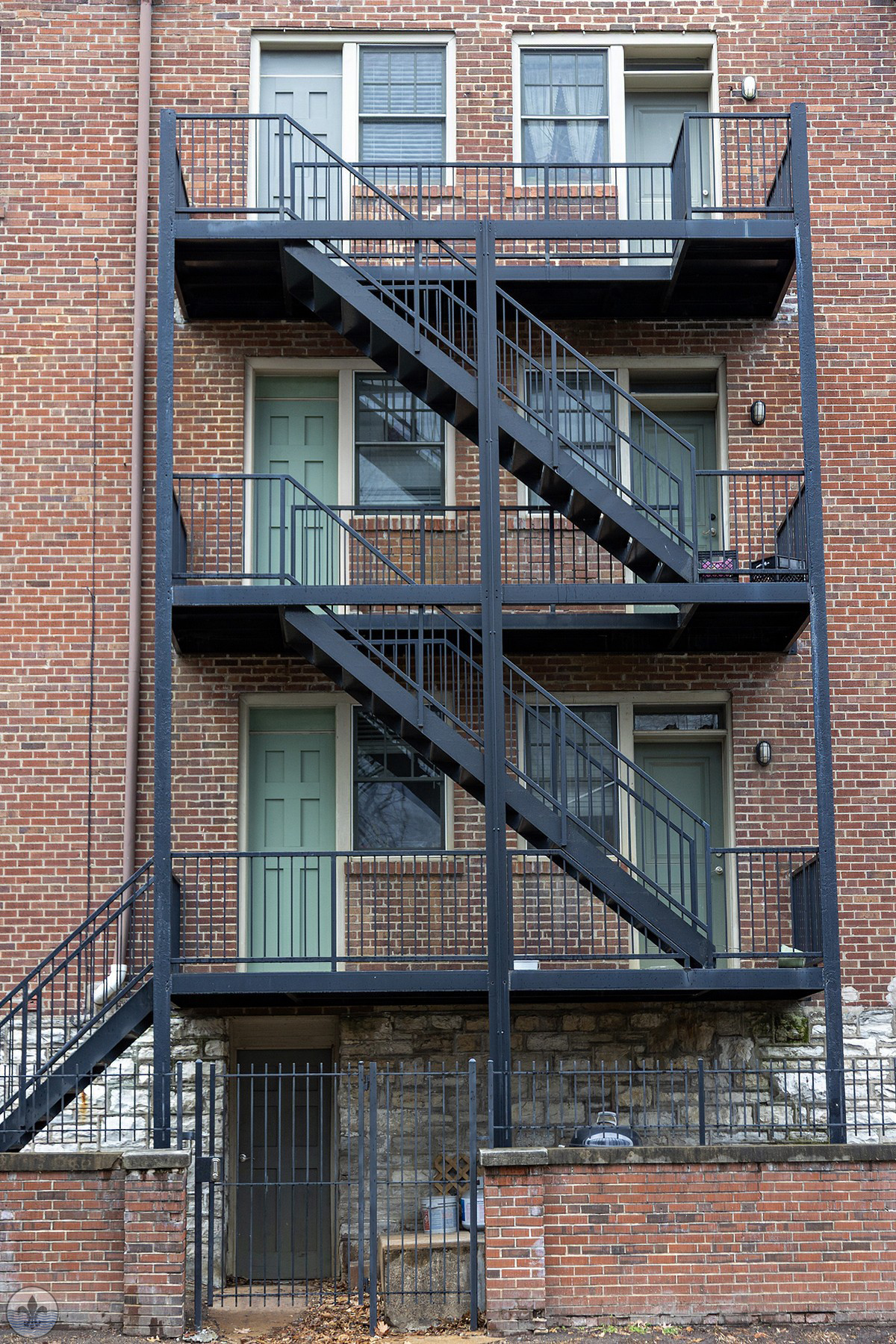 Photo by Caren Libby
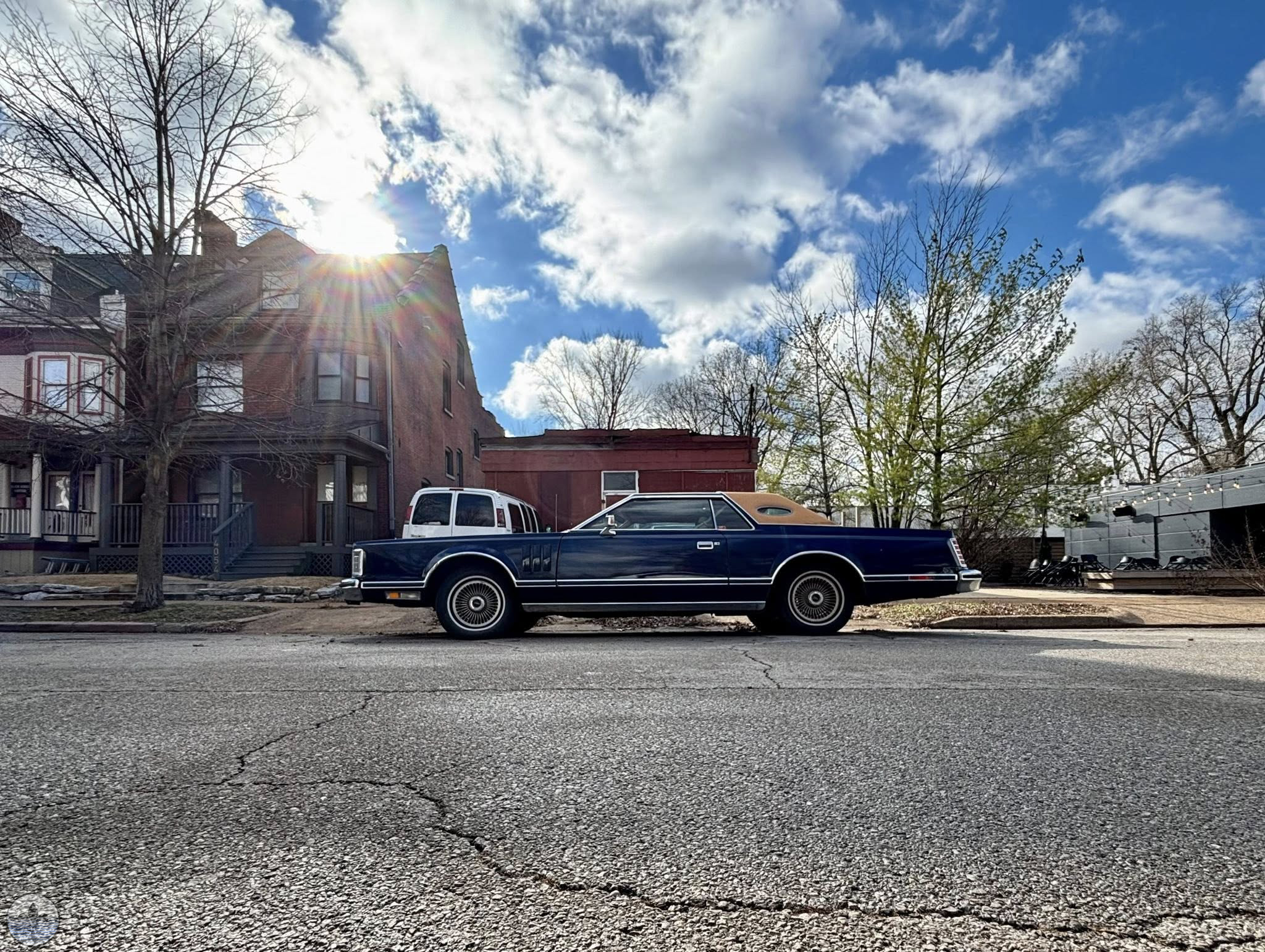 Photo by James Palmour
Shaw is listed on the National Register of Historical Places. This protected its architectural integrity and provided tax incentives that fueled the “renovation renaissance” seen in the meticulously restored brick homes today. In 1975, the Shaw Neighborhood Improvement Association (SNIA) was formed to address the neighborhood’s concerns. SNIA is governed by a Board of Directors, composed of elected representatives of each neighborhood block, designed to ensure that all residents had a voice in local decision-making. The SNIA served as the voice of the neighborhood, influencing aldermen and the City of St. Louis. In 1985, Shaw was designated as a Certified Local Historic District, helping to provide incentives for redevelopment and preservation in the neighborhood.
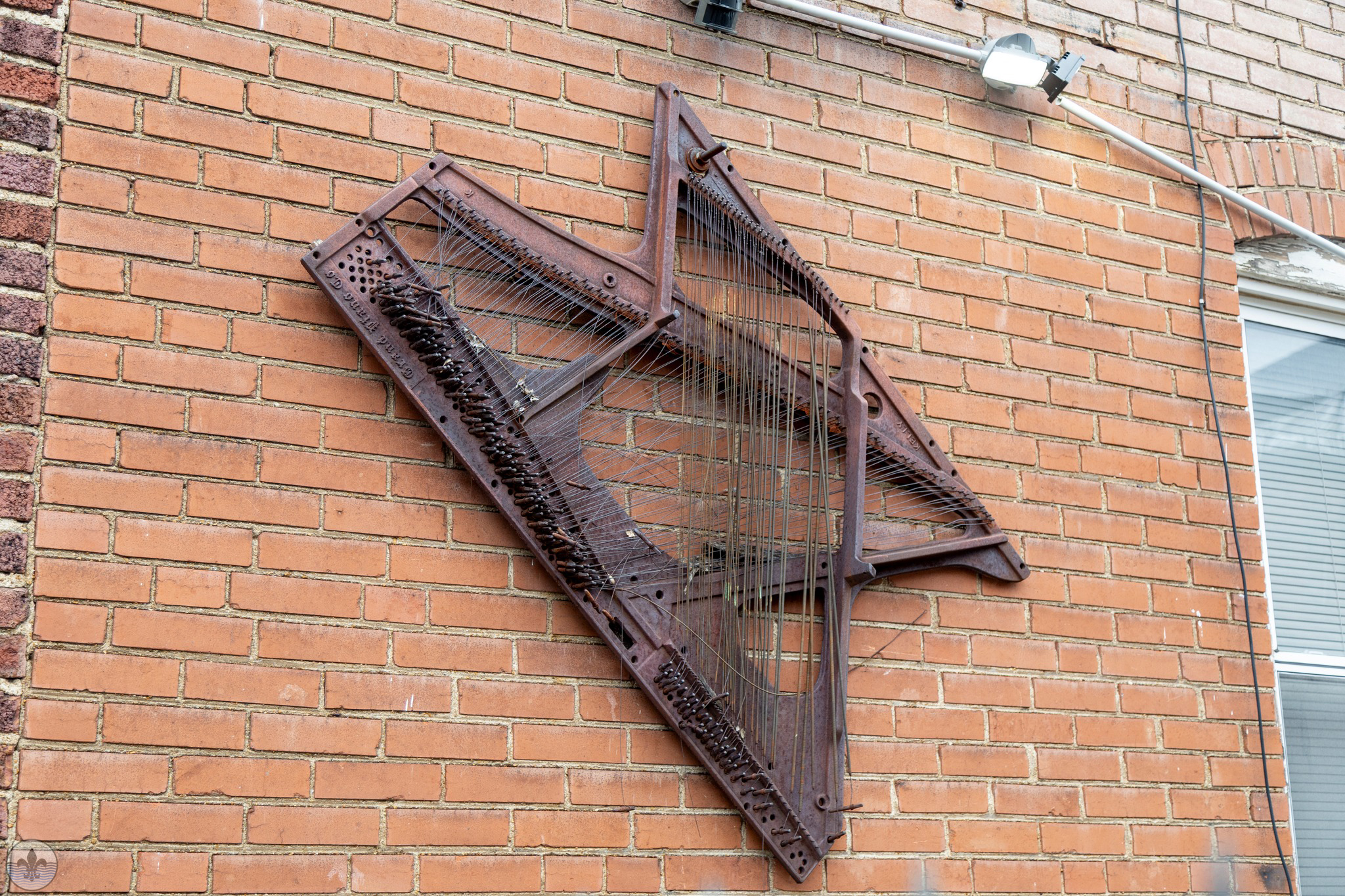 Photo by Mike Matney
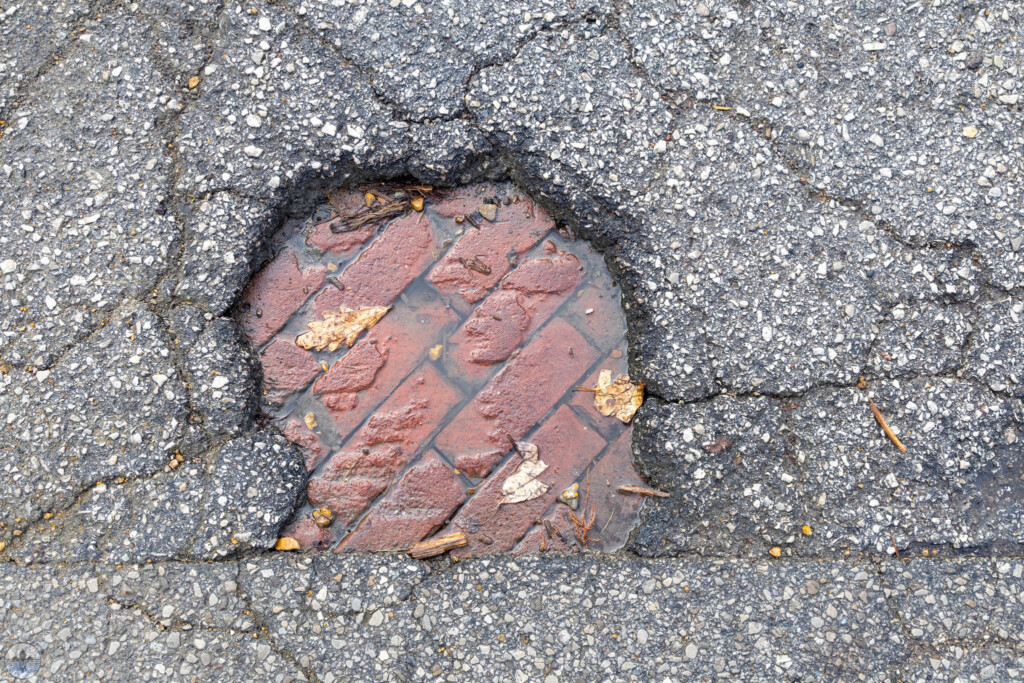 Photo by Mike Matney
 Photo by Ann Yeoman
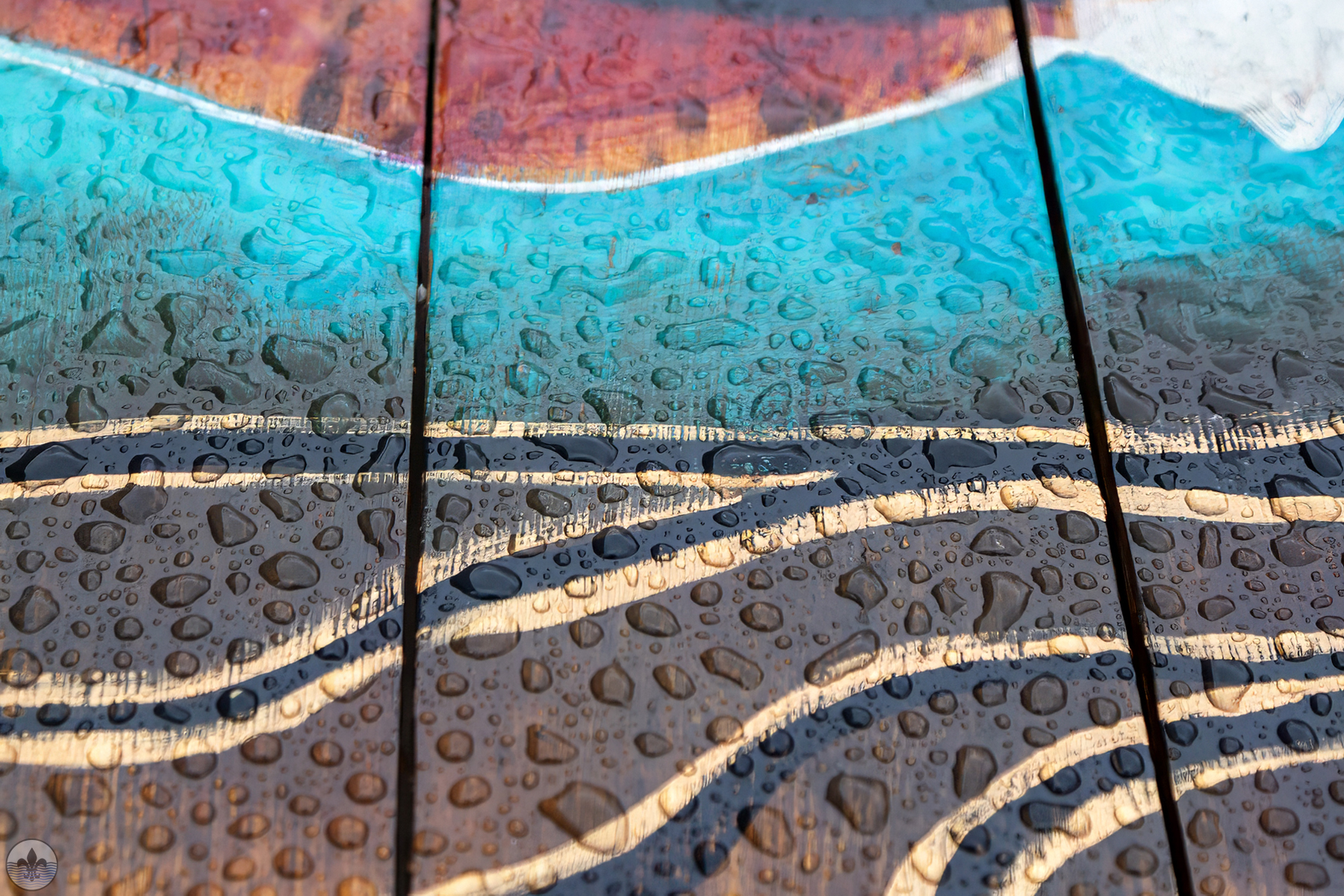 Photo by Caren Libby
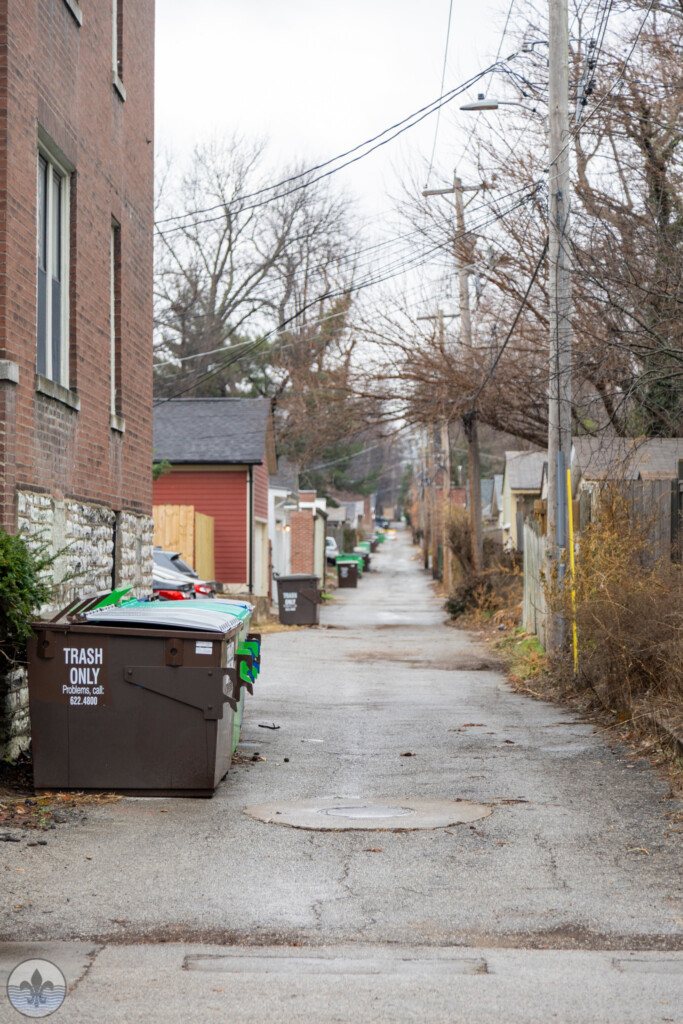 Photo by Mike Matney
In 2020, the neighborhood’s population was 66.2% White, 21.9% Black, 0.2% Native American, 2.8% Asian, 7.7% Two or More Races, and 1.2% Some Other Race. 4.4% of the population was of Hispanic or Latino origin.
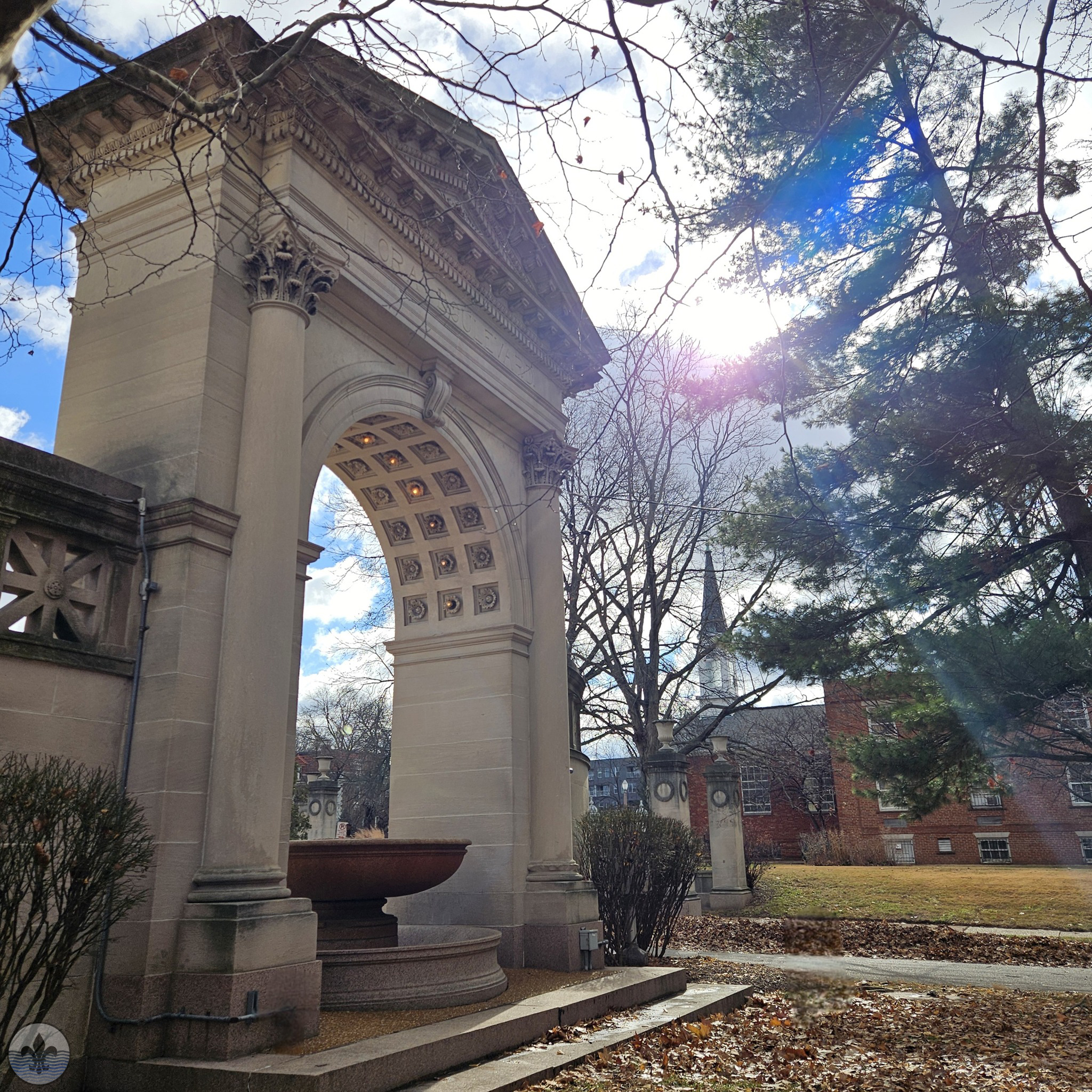 Photo by Ann Yeoman
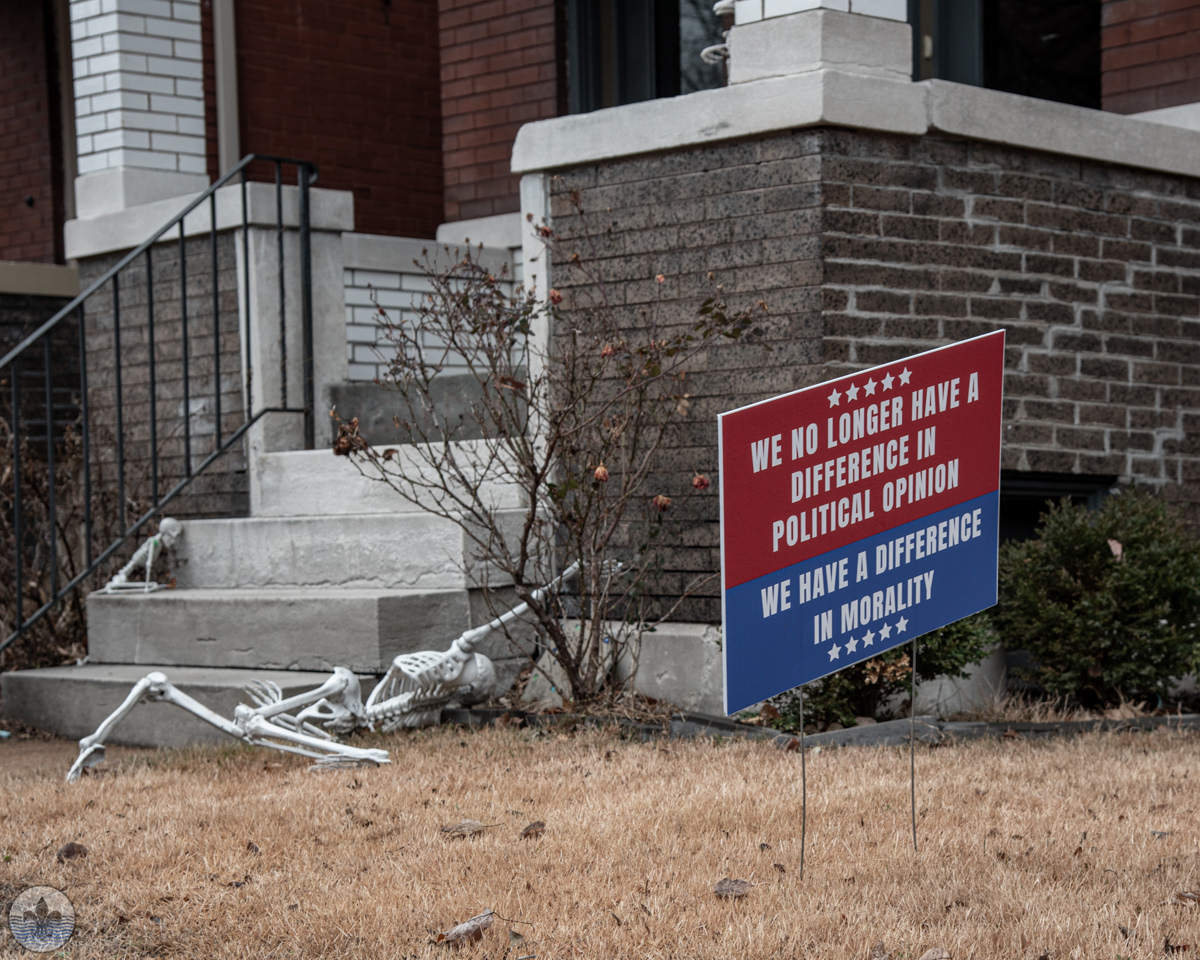 Photo by Theresa Harter
 Photo by Mike Matney
 Photo by Caren Libby
 Photo by Ann Yeoman